

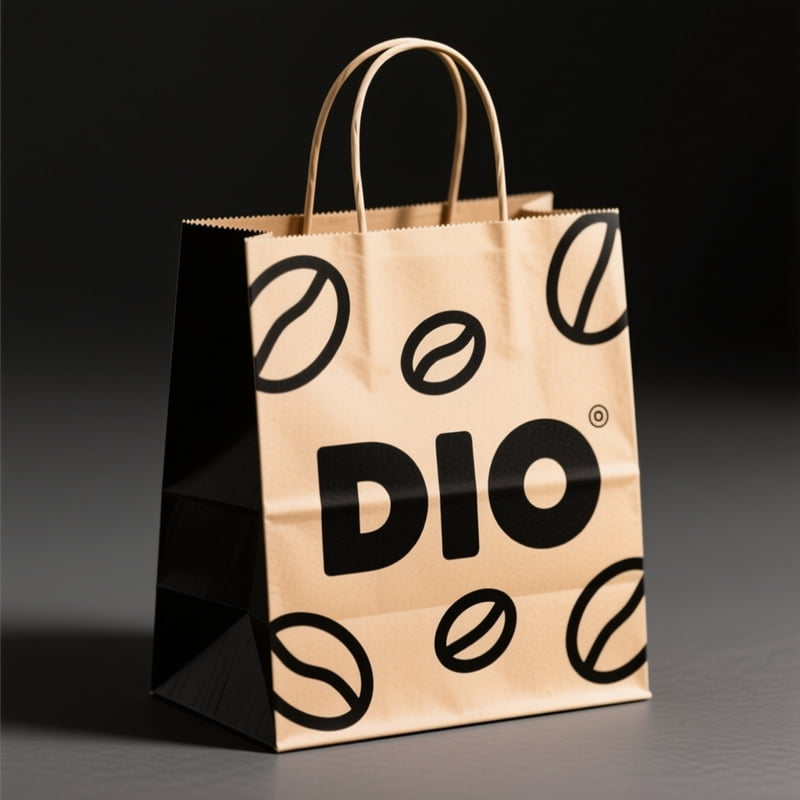
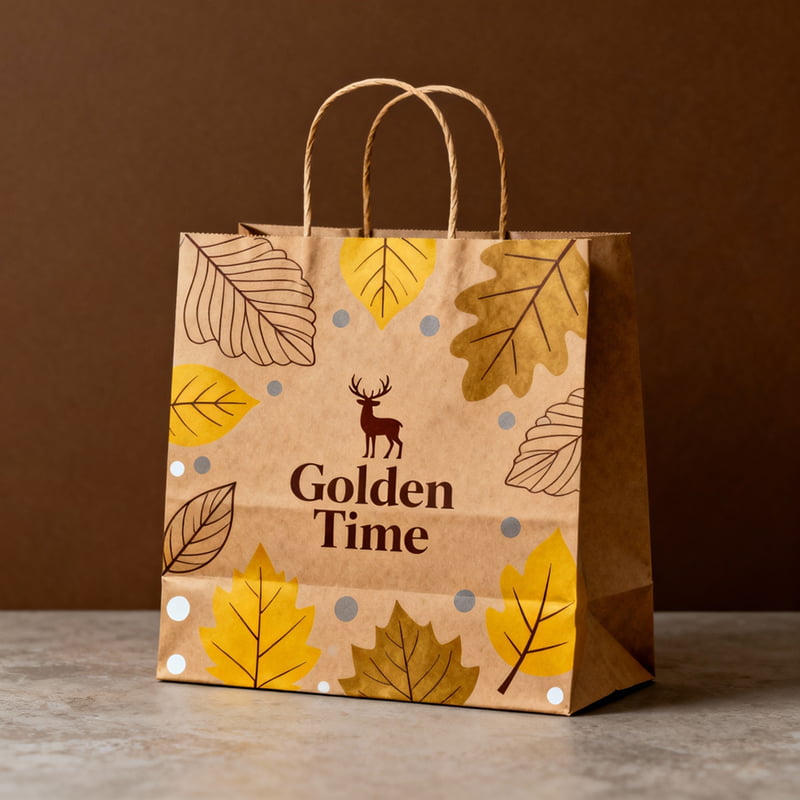

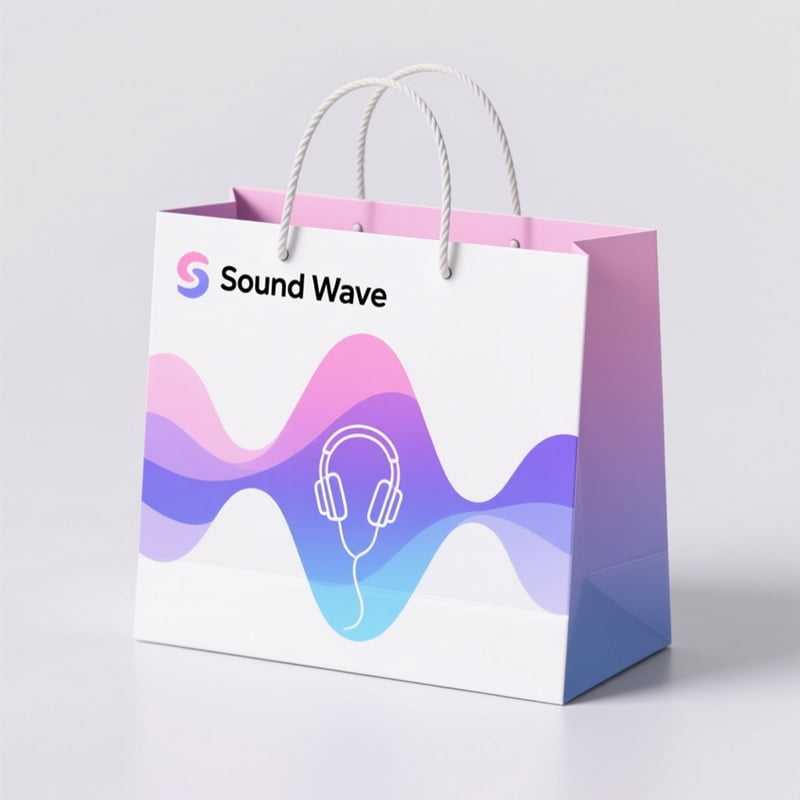

The paper bag industry is evolving rapidly. Companies must adapt to meet growing demands for sustainable, innovative packaging solutions. This sector faces significant shifts that will shape the future landscape.
By 2030, the paper bag market is poised for strong growth, driven by the rise of e-commerce and consumer preference for environmentally-friendly packaging. Key growth areas include flexible paper-based solutions and increased use of recycled materials. Advancements in barrier coatings and smart packaging features will also make paper bags a more versatile and attractive option for brands and consumers.
The industry is buzzing with new ideas and evolving customer demands. From changing shopping habits to sustainability concerns, various factors are reshaping the paper bag landscape. Let's explore the trends and innovations that will define the future of this critical packaging segment.
Sustainability Transformation
Environmental consciousness is driving a major shift towards renewable, biodegradable paper bag solutions. As concerns over plastic pollution escalate, businesses are pivoting to paper-based packaging that aligns with growing consumer demand for sustainable products. This transition represents a fundamental restructuring of how brands approach product protection and presentation.
Key Insight
Studies show that 73% of global consumers are willing to pay more for sustainable packaging, creating a $47 billion market opportunity for paper-based paper bag solutions by 2025.
Technological Innovations
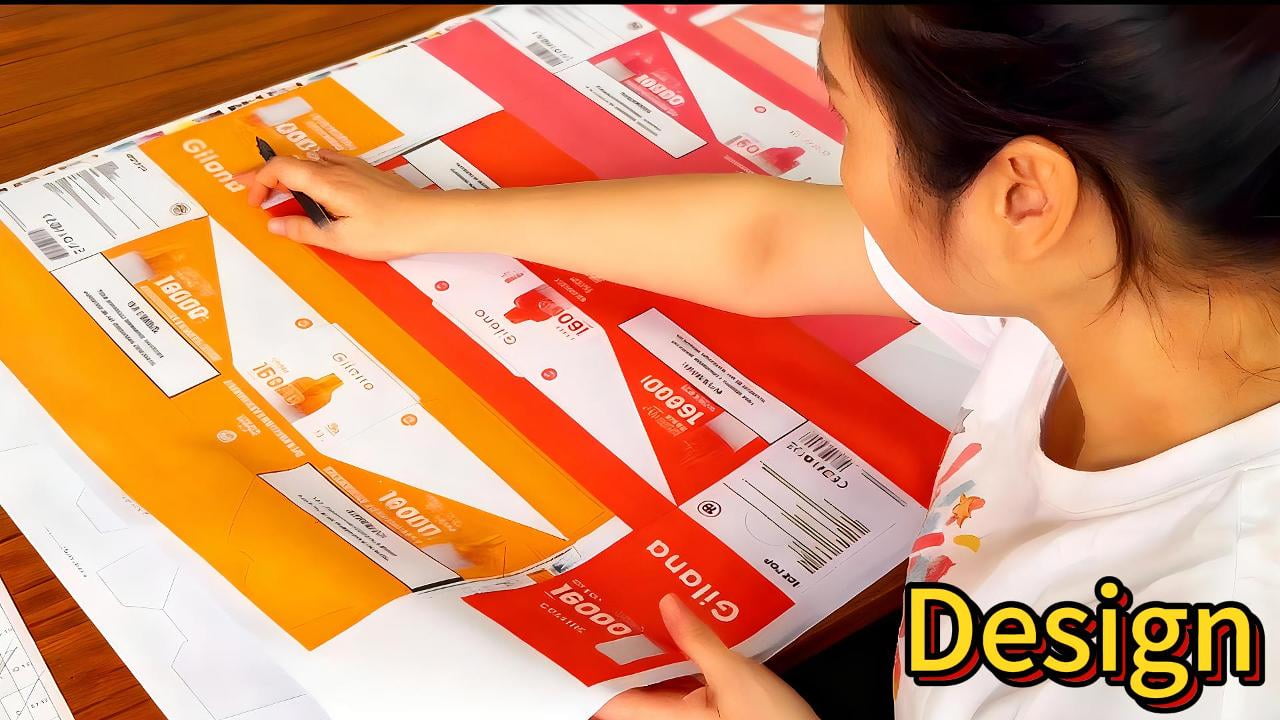
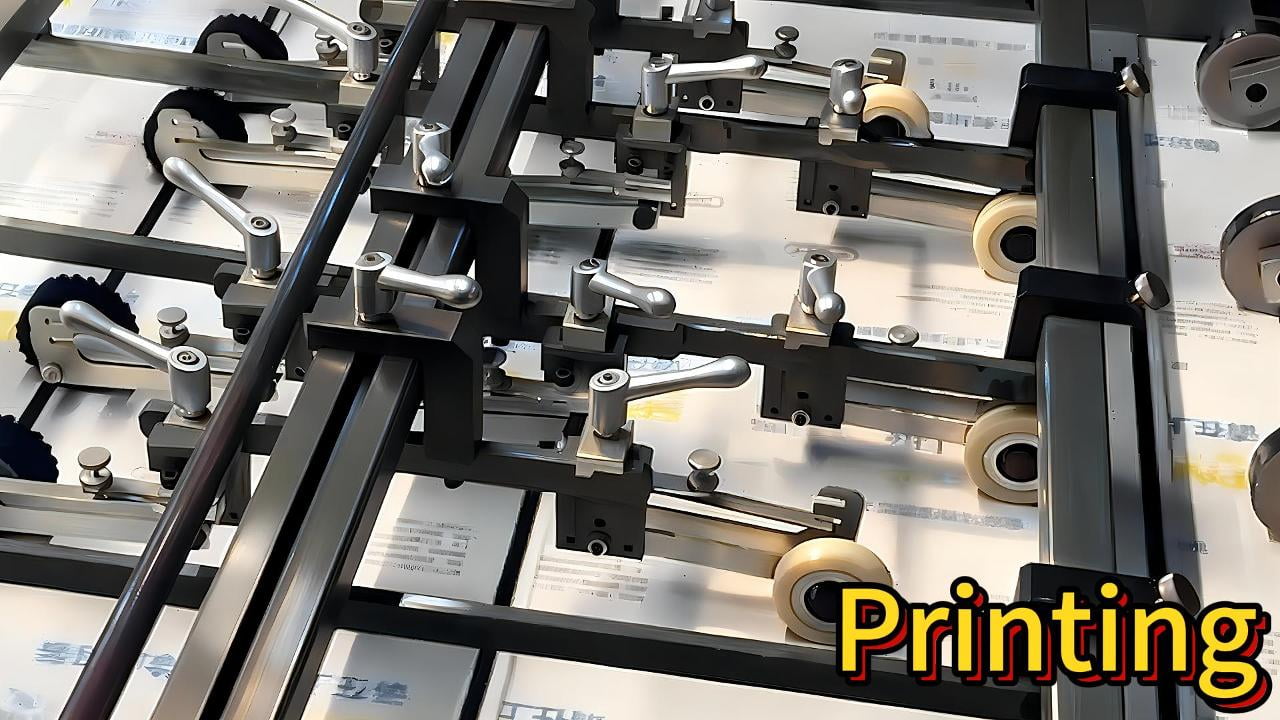
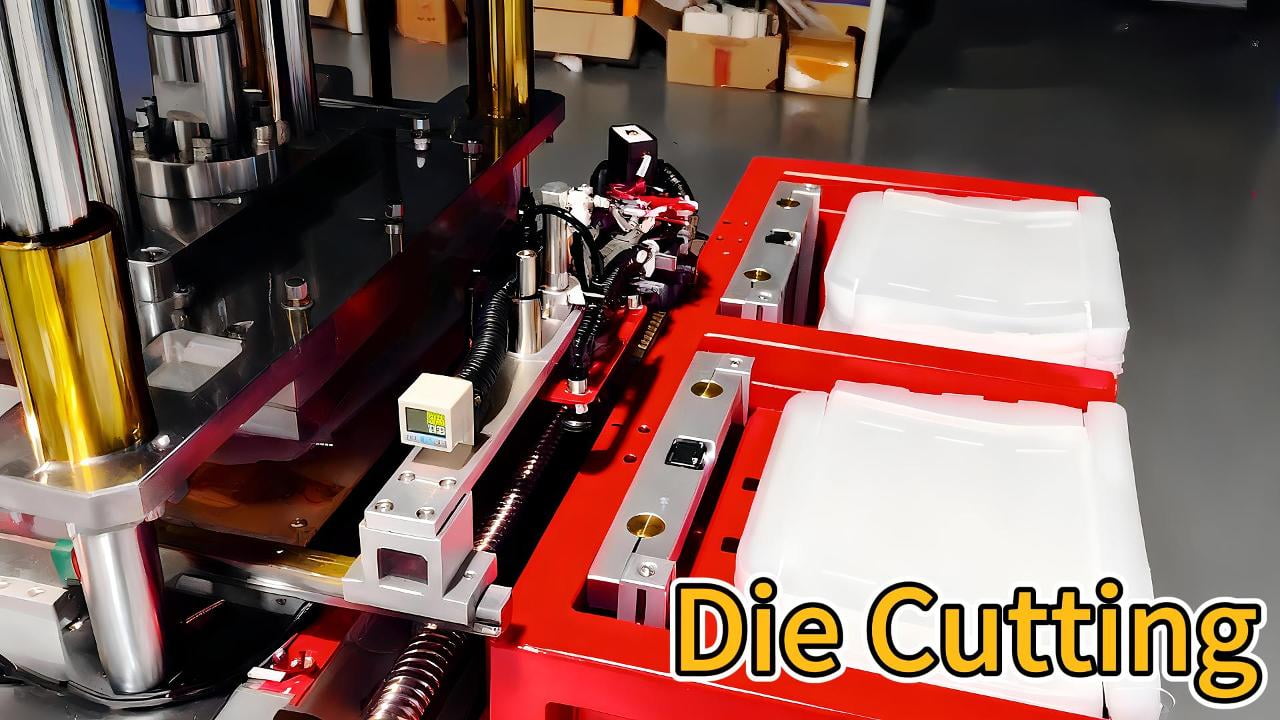
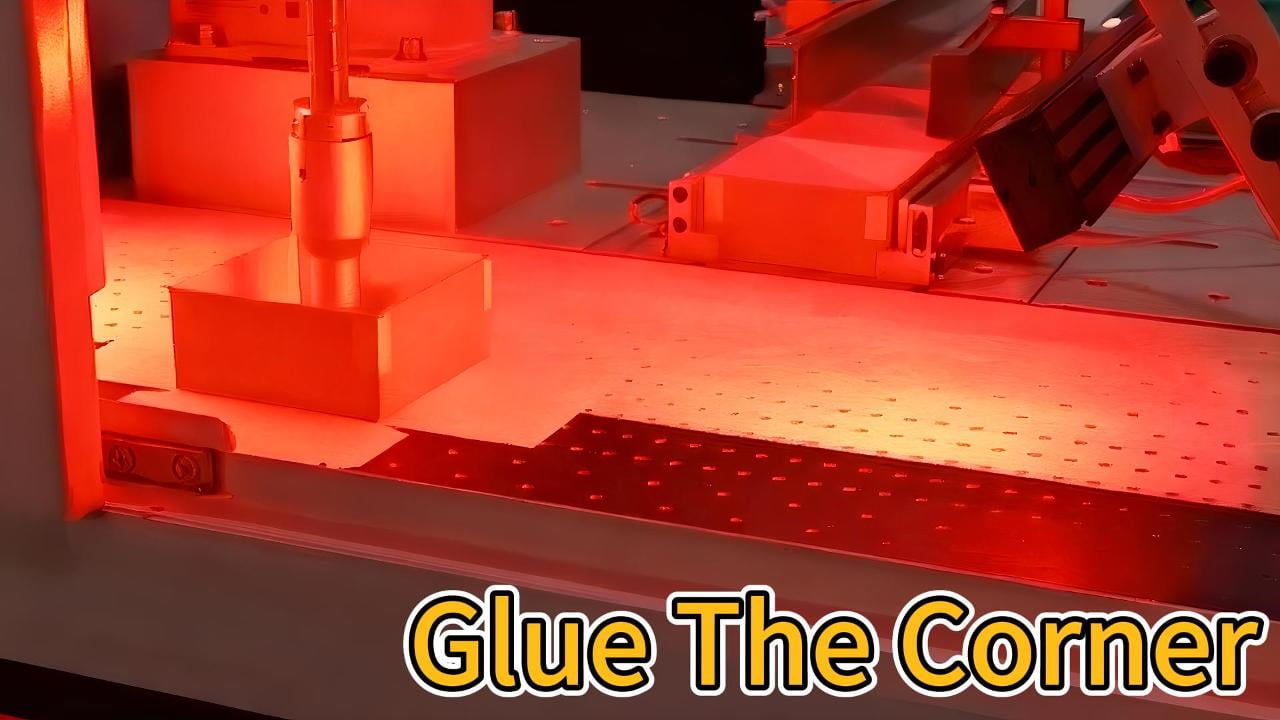
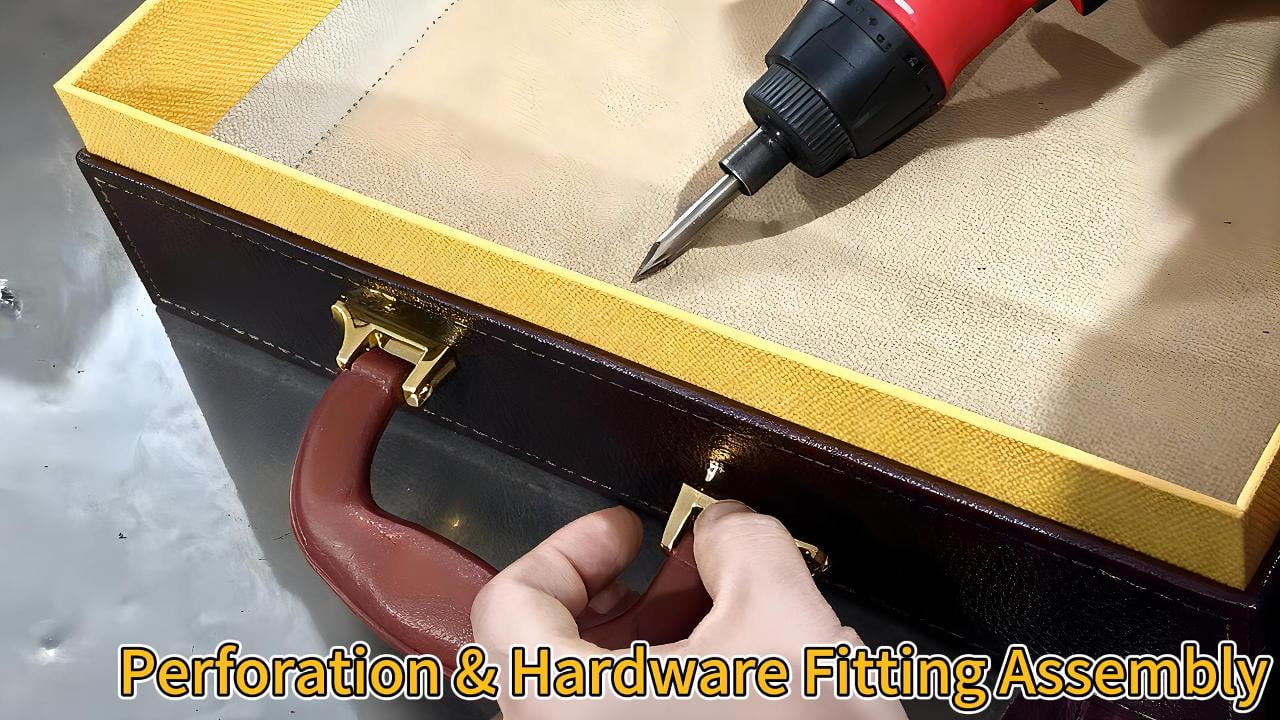
Advanced manufacturing technologies are revolutionizing paper bag capabilities. From precision die-cutting to multi-layer lamination processes, modern paper bag production achieves durability and functionality previously exclusive to synthetic materials.
Cutting-Edge Manufacturing Processes
- Automated precision die-cutting with ±0.5mm tolerance
- Advanced lamination techniques using PET/PP films
- UV-resistant printing technologies for extended shelf life
- Moisture-barrier coatings achieving 99.97% protection rates
- Smart packaging integration with QR codes and NFC technology
Market Dynamics and Growth Opportunities
The global paper bag market is projected to reach $201.3 billion by 2025, driven by e-commerce expansion, gifting trends, and regulatory pressure on single-use plastics. This growth presents significant opportunities for manufacturers who can deliver innovative, sustainable solutions.
Emerging Market Segments
- E-commerce protective packaging solutions
- Premium confections and specialty gifts packaging
- Luxury and specialty gift packaging
- Pharmaceutical and healthcare packaging
- Industrial and B2B packaging applications
Quality Standards and Certifications
International quality standards are becoming increasingly stringent. ISO 9001, FSC, and SGS certifications are no longer optional--they're essential for global market access. Manufacturers must invest in comprehensive quality control systems to meet these evolving requirements.
Essential Certifications for Global Markets
- ISO 9001:2015 Quality Management Systems
- FSC Chain of Custody Certification
- SGS Environmental and Safety Testing
- ROHS Compliance for Printing Materials
- FDA Approval for Food Contact Applications
Future Outlook
The convergence of sustainability mandates, technological advancement, and consumer preference creates an unprecedented opportunity landscape for paper bag manufacturers. Success will depend on the ability to innovate while maintaining cost-effectiveness and scalability.
Companies that invest in advanced manufacturing capabilities, sustainable material sourcing, and comprehensive quality systems will capture the largest share of this growing market. The future belongs to manufacturers who can deliver premium quality, environmental responsibility, and competitive pricing simultaneously.
Ready to Lead the Packaging Revolution?
Partner with experienced manufacturers who understand the evolving demands of sustainable packaging. From concept to global distribution, success requires the right expertise and capabilities.